
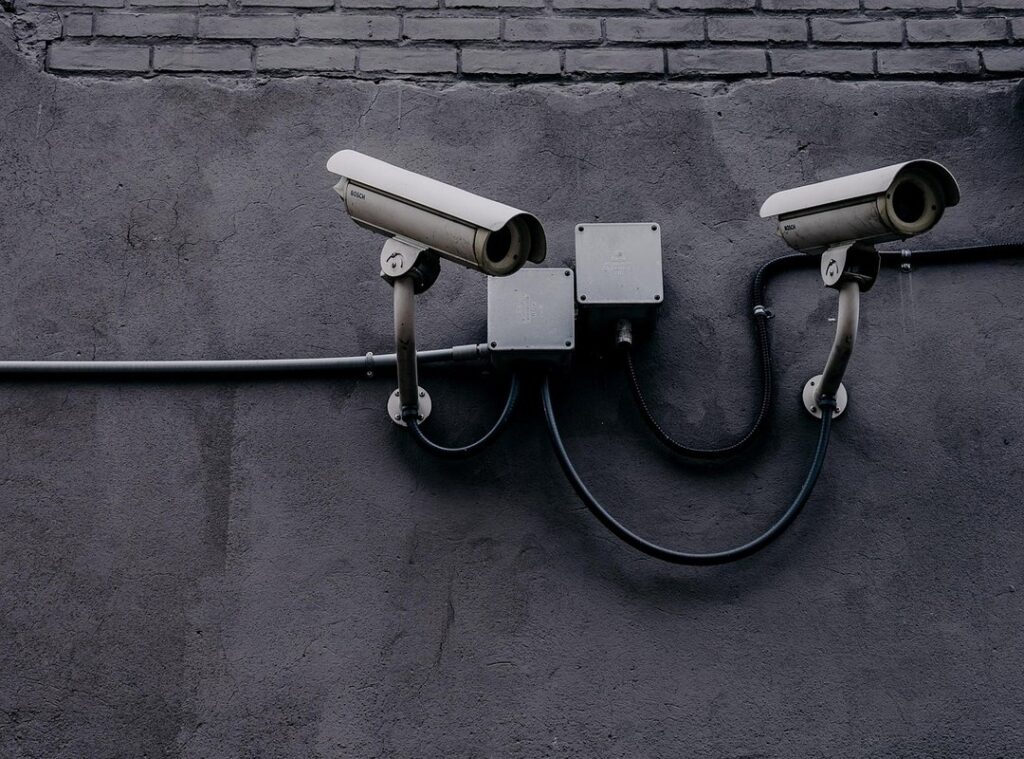
Surveillance is everywhere, and it’s creeping into our lives in ways we never imagined. I mean, have you ever wondered who’s watching you through your devices? The question of ethics tech surveillance is huge and it’s not going away anytime soon.
As technology advances, we have to grapple with the moral implications of data collection. Do we really understand what we’re giving up for convenience? I’ll unpack the tangled web of privacy, security, and morality in this article.
You’ll discover how tech companies use our data and the choices we can make to protect ourselves. This isn’t just a tech issue; it’s a societal one. By the end, you’ll feel more informed about the ethical challenges we face in this digital age.
I promise you’ll walk away with takeaways that matter, and the tools to get through this complex space. Let’s dive in and explore the reality we all live in.
Defining Ethical Tech Monitoring: Core Concepts
So, what’s technology monitoring? It’s about keeping tabs on data, systems, and performance. You know, making sure everything’s running smoothly.
But here’s the kicker: slap “ethical” in front and it all changes. Ethics in tech surveillance means respecting privacy, being transparent, getting consent, and staying fair and accountable.
Think about employee performance tracking. It’s not just spying. It’s using data responsibly.
Or consider user analytics in app development. Done ethically, it’s about improving user experience. Without creeping folks out.
Then there’s smart home device data. Collecting information can be dicey, but ethical monitoring means users stay informed and in control.
Why’s this important? Trust, legal compliance, and sustainable tech use. When companies handle data ethically, they build trust.
Who doesn’t want that? Plus, avoiding legal headaches is a bonus. For those interested in broader tech impacts, exploring tech climate crisis solutions is key too.
In essence, ethical monitoring transforms standard practices into responsible ones. It ensures human dignity and rights are upheld. Bold, right?
Without ethics, tech monitoring becomes a privacy nightmare. We’re talking accountability and fairness. It’s not just about what you do, but how you do it.
Ethics make the difference.
The Ethics of Digital Monitoring: Core Principles to Live By
Let’s talk about Transparency. Communication isn’t just important; it’s non-negotiable. If you’re monitoring, people deserve to know what, how, and why.
It’s that simple. Without it, trust goes out the window. Ever felt like someone was watching you without your knowledge?
Creepy, right?
Next up, Informed Consent. You need to obtain consent that’s clear and understandable. None of that dense legalese.
And people must have the right to withdraw it anytime. It’s about respect and choice. Would you sign a contract you didn’t understand?
Then we’ve got Necessity and Proportionality. Only monitor what’s necessary. If you’re collecting data, it better have a purpose.
Just like not bringing a bazooka to a snowball fight, keep it proportional.
Data Minimization is key. Collect only what you need. No more. Save the data hoarding for your stamp collection.
Security and Privacy by Design means building protection from the start. This isn’t an add-on. It’s the foundation.
Finally, Accountability and Oversight are the guardrails. Set clear policies, audit regularly, and tackle breaches head-on.
All these principles form the backbone of ethics tech surveillance. Don’t just nod along. Think about how they apply to your tech spaces.
Where Ethical Monitoring Matters Most
to the nitty-gritty of ethical monitoring. Why? Because it matters.
In employee monitoring, tracking productivity is key, but you can’t ignore privacy. It’s a fine line between ensuring security and turning into Big Brother. Does anyone really want that?
No.
When it comes to customer and user data analytics, anonymization is key. You want takeaways, not invasions. People deserve control over their data.
It’s a trust thing. If you’re handling data without transparency, you’re already in the wrong.
IoT devices and smart homes? They’re cool, but they’re also potential privacy nightmares. Regular security updates aren’t just good practice; they’re important.
Are you empowering users to control their personal data, or are you just hoarding information? Think about it.
AI and algorithmic monitoring should be fair. Bias detection isn’t optional; it’s mandatory. Transparency in AI operations isn’t just a buzzword.
It’s the bare minimum. If your AI isn’t fair, it’s not worth the hype.
Cybersecurity is a beast. Balancing security and privacy during incident response is tough. But hey, nobody said protecting user privacy would be easy.
It’s just non-negotiable. In the world of ethics tech surveillance, getting it right is everything.
Navigating the Challenges: Pitfalls and Avoidance
Balancing security and privacy is like walking a tightrope. On one side, you’ve got security needs; on the other, privacy rights. It’s a constant tension.

We need policies that are clear and tech that respects boundaries. Communication is key here. People want to know their data isn’t being exploited.
Legal compliance is a beast. With regulations like GDPR and CCPA, staying informed is a full-time job. You can’t get through this alone.
Legal counsel isn’t optional; it’s necessary. Falling behind means hefty fines and a damaged reputation.
Technology itself is a hurdle. Implementing ethical practices requires more than just intention. Secure data storage and anonymization are non-negotiables.
It’s a complex puzzle, but not impossible to solve. With the right approach, you can conquer it.
User trust? It’s fragile. Transparency is your best friend.
Users sniff out deceit faster than you think. If they sense something “creepy,” they’ll walk. Keep communication open and honest.
It’s the only way to maintain confidence.
Standards evolve, and so should you. Ethical guidelines aren’t static. They demand continuous review.
Society’s expectations change, and technology only accelerates that. If you’re not adapting, you’re falling behind. For more on this, check out navigating digital privacy.
Crafting Ethical Surveillance: A Pragmatic Guide
First things first, let’s not get lost in tech jargon. If you’re diving into building an ethical monitoring system, you need to be crystal clear on why you’re doing it. Is it for security, productivity, or just because everyone else is?
Define that purpose, and you’ve got your foundation.
But wait, there’s more. Ever heard of a Privacy Impact Assessment? You need it.
It’s like the tech world’s crystal ball, helping you spot privacy risks before they become your worst nightmare. Throw in some mitigation strategies while you’re at it.
And then, policies. You’ve gotta develop and communicate clear ones. What’s monitored, how, and for how long?
Imagine a user saying, “Big Brother, much?” Your policies should answer that before it’s asked.
Don’t just stop at policies. Set up technical and organizational safeguards too. Encryption, data anonymization, secure storage, and yes, train your staff.
They’re your first line of defense. Without them, you’re shouting into the void.
User consent and control mechanisms. Yes, they’re non-negotiable. Give users power over their own data.
Regular reviews and audits? Do them. They keep your system fresh and ethical.
Now, is anyone else thinking about ethics tech surveillance, or just me?
Building a Respectful Digital Future
I’ve laid out a clear guide to ethical technology monitoring. The struggle is real; we want the benefits of technology without losing our privacy or trust. By embracing transparency, consent, necessity, and accountability, you can create a responsible digital space.
Are your current monitoring practices keeping up? It’s time to evaluate them against these ethical principles. Let’s stop compromising our values.
Take action now to integrate these standards into your approach. You’ll protect individuals but also strengthen trust in your organization. Make the change today.
Your digital future depends on it.
 Sylrith Marrowlance serves as a key creative and technical voice at Jexphacks.com, dedicated to uncovering the practical side of new tech and digital trends. With a talent for identifying the tools and shifts that matter most to tech enthusiasts, Sylrith crafts content that bridges the gap between raw innovation and everyday application. Their sharp perspective and passion for discovery help maintain the platform's reputation as a go-to resource for curious minds.