
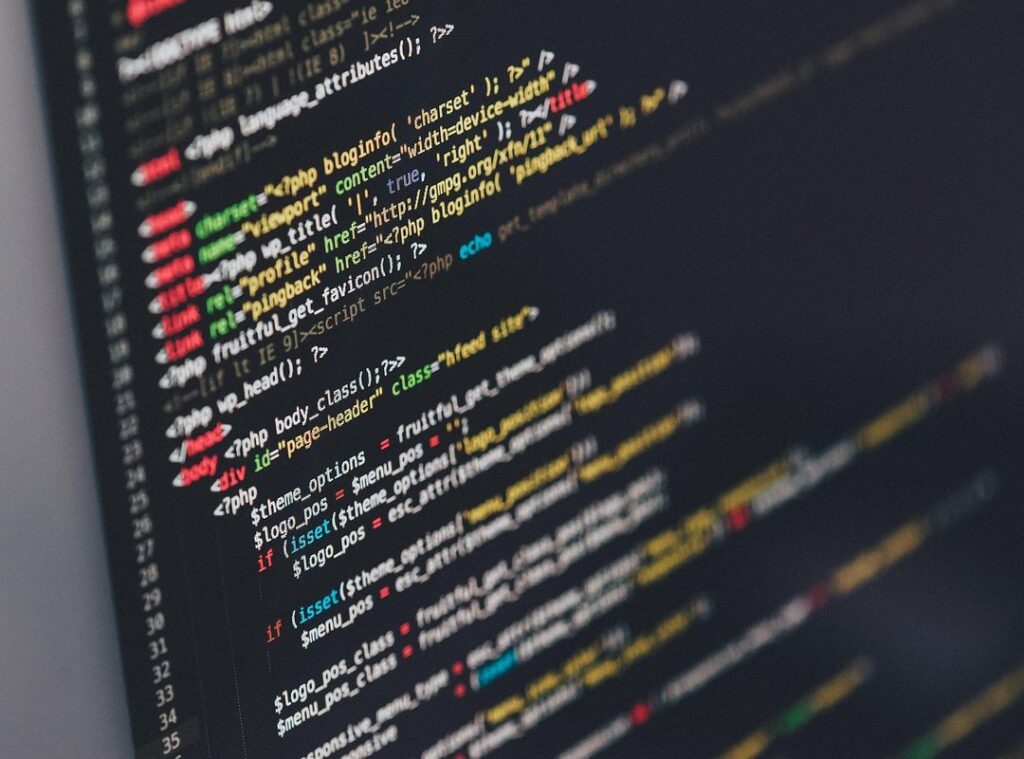
I remember staring at my first line of code and thinking I’d never get it.
You probably feel the same right now.
That’s why this Coding Guide Otvpcomputers exists.
It’s for you (not) some mythical “tech person” (just) someone who’s curious but tired of confusing jargon and endless setup steps.
Coding isn’t magic. It’s not reserved for geniuses or math whizzes.
It’s a skill. Like driving. Or cooking.
You learn by doing, not by memorizing theory.
This guide cuts past the noise. No fluff. No gatekeeping.
Just real steps (small) ones (that) actually work.
Why do so many beginners quit? Because they’re dropped into the deep end without floaties.
Not here.
We start where you are. Right now. With what you already have.
You’ll leave with a clear path: what to type, where to type it, and what happens next.
No guessing. No rabbit holes.
Think of it like learning a new game. You don’t read the whole manual before pressing start. You jump in, fail, try again, and suddenly.
You’re playing.
By the end of this article, you’ll know exactly how to begin. Not someday. Not after “more prep.” But today.
Ready? Let’s go.
What Coding Really Is (and Why It’s Not Magic)
Coding is giving clear instructions to a computer.
Like writing a recipe (step) by step (so) it bakes the cake you want.
I’ve taught robots to open doors and made websites load in under a second. It’s not about memorizing symbols. It’s about speaking plainly to machines.
You ever get stuck trying to fix a broken printer?
That’s coding logic: break the problem down, test each piece, fix what’s wrong.
You can build games. Make apps that track your water intake. Turn spreadsheets into live dashboards.
Coding Guide Otvpcomputers starts right here (Otvpcomputers) has no fluff, just working examples.
It trains your brain to spot patterns. Solve traffic jams in your head. Plan grocery trips like a GPS algorithm.
You don’t need to become a programmer to use this skill. Accountants automate reports. Teachers grade quizzes faster.
Nurses log patient data without retyping.
Computers don’t guess. They do exactly what you tell them. So if it breaks?
You’re not dumb. You just missed a comma. (Yes, really.)
Want to stop waiting for someone else to build what you need? Start today. Not someday.
Where to Start With Code?
I started with Python.
It felt like typing English instead of code.
You’ll hear about dozens of languages. Most are terrible for beginners. Python is not one of them.
It reads cleanly. You write print("Hello"), not some tangled mess. It works for websites, data, games, automation.
You name it.
Scratch? Fine for kids under twelve. JavaScript?
Sure (if) you’re itching to make buttons wiggle on a webpage today. But it’ll bite you with weird quirks before you understand what a variable even is.
So pick one. Just one. Then stick with it for three months.
Why? Because switching every week trains your brain to quit (not) code.
Want to build something specific? A game? A blog?
A tool that auto-fills your coffee order? That helps. But if you’re staring blankly (go) with Python.
It’s the safest bet.
No language teaches you everything. But Python teaches you how to think like a coder. That’s what matters most.
This isn’t theory.
I’ve watched people flounder in JavaScript tutorials while Python students ship real projects by week four.
Start here. Build something small. Then come back to the Coding Guide Otvpcomputers when you’re ready to go deeper.
Your Coding Setup Is Not a Big Deal
You need a computer. That’s it. No fancy gear.
No $2,000 laptop. Just something that turns on and has internet.
I write code on a 2015 MacBook with a cracked screen. It works fine. You’ll be fine too.
A text editor is where you type your code. Not Word. Not Google Docs.
Something like VS Code (free) or even Notepad (also free). VS Code shows colors for different parts of your code (helps) you spot mistakes fast.
Then you need something to run that code. For Python, that’s the Python interpreter. For HTML/CSS/JS, it’s your browser.
No magic. Just software that reads what you wrote and does it.
Want to try Python? Go to python.org, click “Download Python”, run the installer. Check “Add it to PATH” (it’s important (don’t) skip it).
You’ll want extensions in VS Code. Like Python support. Or Prettier for formatting.
They’re free. Install them one at a time. Don’t drown in options.
This whole thing is covered step-by-step in the Codes Otvpcomputers guide.
It’s part of the Coding Guide Otvpcomputers (no) fluff, just what works.
You’re not building a rocket. You’re typing lines and watching them run. Start there.
Hello, World? More Like “Oh. That’s It.”

I typed print("Hello, World!") and hit enter.
My screen blinked back at me like yeah, so what.
That’s it. That’s your first program. print means show something on the screen. The stuff inside the quotes?
That’s what shows up. Nothing fancy. No setup.
No magic.
Python needs that.)
Paste in the line. Save it.
Open a plain text file. Name it hello.py. (Yes, the .py matters.
Now open your terminal or command prompt. Type python hello.py and press Enter. You’ll see Hello, World! staring right back.
Try changing it to print("Hi, I’m learning"). Save again. Run again.
See how fast it responds? That’s not luck. That’s how coding works (small) changes, instant feedback.
You just ran real code. No gatekeepers. No permission slip.
Just you, a file, and one line that does exactly what it says.
This is where every coder starts. Not with theory. Not with jargon.
With print. It’s dumb-simple. And that’s why it sticks.
Want proof? Try it now. Go ahead.
I’ll wait. (If you’re stuck, the Coding Guide Otvpcomputers has plain-English help waiting.)
Keep Coding. Just Start.
I practice 20 minutes a day. Not more. Not less.
It sticks.
You don’t need fancy tools. Codecademy. freeCodeCamp. Khan Academy.
YouTube. All free. All real.
Stuck? Go to a forum. Ask.
Someone’s already asked it. Or answered it.
Mistakes aren’t failure. They’re how your brain maps the language. I break things daily.
So will you.
Build something tiny. A to-do list. A joke generator.
Anything with moving parts.
That’s how you learn (not) by watching, but by shipping junk that works (sometimes).
This isn’t about perfection. It’s about showing up when it’s boring. When it’s confusing.
The Coding Guide Otvpcomputers helped me stop overthinking syntax and start solving problems.
When you want to quit.
For more straight-talk coding advice otvpcomputers, check out this page.
Your First Line of Code Awaits
I know you’ve stared at the screen wondering where to begin.
Coding is just telling a computer what to do (nothing) more.
You already have a real starting point.
Coding Guide Otvpcomputers gives you that.
Stop waiting for “someday.”
Download Python right now. Or open a tutorial.
What’s stopping you from typing print("Hello") in the next 60 seconds?
 As a core contributor to the Jexphacks.com team, Zayrithia Kinlark brings a sharp analytical mind and a deep curiosity for the mechanics of modern technology. Specializing in breaking down complex digital advancements, Zayrithia excels at turning intricate tech concepts into highly engaging, practical insights for the platform's readers. Their dedication to exploring the frontiers of tech ensures that the community always stays a step ahead in an ever-shifting digital world.