
Cities are bursting at the seams. Rapid urbanization brings challenges like overcrowding, pollution, and a desperate need for quality living spaces.
It’s clear: we need sustainable, fast, and livable solutions. The future demands it.
I’ve analyzed tech trends and digital innovations for years. I know how technology reshapes urban planning.
You might wonder how this applies to your life.
This article dives into new urban development. I’ll break down its core principles, the tech driving these changes, and real-world applications. You’ll understand how cities can adapt to future demands.
With my background, I aim to provide takeaways you can trust. You deserve clear, actionable information on how these developments affect your daily life.
By the end, you’ll grasp the space of urban development and its potential.
So, if you’re curious about the smart cities future, stick around. Let’s explore how technology can help us create better living spaces together.
Shaping Cities: Beyond Smart to Truly New
What does “new urban development” even mean? It’s not just about smart cities. It’s a complete approach that blends tech with human needs.
Imagine cities that adapt to you, not the other way around. We’re talking about sustainability in every sense (environmental) and economic. Who doesn’t want a city that’s fast with resources and operations?
But here’s the twist: resilience. Cities need to bounce back from challenges like climate change. How do you build a city that thrives despite rising seas or a population boom?
That’s where integrated urban planning steps in, connecting systems like transport and waste management. Data-driven decision-making makes it all real by allowing us to predict and adapt.
Why is this urgent now? Climate change, resource scarcity, and rapid population growth are pushing us to rethink urban spaces. We need cities that are not just livable but lovable.
Curious about how green tech transforming future ties into this? It’s all about creating inclusive, tech-driven urban spaces.
In the smart cities future, it’s not just the tech that matters. It’s how we use it to boost life quality. This isn’t sci-fi.
It’s the next step in urban evolution.
Tech Pulse: City Evolution Underway
Smart cities are the future, and IoT is at their heart. Sensors collect data on everything from traffic to waste levels. You ever wonder how cities know when to empty trash bins or adjust traffic lights?
It’s these sensors. They’re like the city’s nervous system, constantly sending information.
Then there’s AI and Big Data, the brains of the operation. They use predictive models to improve traffic flow and public transport routes. It’s like having a crystal ball for urban planning.
Ever been stuck in traffic and thought, “There must be a better way”? AI is working on it.
And let’s not forget Digital Twins. These virtual replicas of cities simulate scenarios before anything gets built. Imagine testing a new policy in a virtual world before it disrupts real lives.
It’s like a video game but with real consequences.
5G connectivity ties it all together. This is the backbone that enables real-time data exchange. Without it, those smart devices wouldn’t be so smart.
So, next time you hear about a smart city, know it’s not just a buzzword. It’s a complex network working seamlessly to transform urban life. Is it perfect?
No. But it’s a step towards a more fast world.
Urban Green: Building Tomorrow’s Cities Today
Urban settings are ripe for change. As I see it, the integration of renewable energy isn’t just a trend (it’s) a necessity. Smart grids, localized solar panels, and micro-wind turbines?
These aren’t just buzzwords. They’re the backbone of a self-sufficient urban environment. Imagine cities powered by the sun and wind.
Feels like the smart cities future is within reach, doesn’t it?
Waste management deserves a revolution too. IoT-enabled smart bins can improve collection routes, cutting down on inefficiencies. Meanwhile, waste-to-energy systems can help us tackle the landfill crisis.
Ever thought about how much material we waste? Circular economy principles could change that by rethinking material flows entirely.
Building standards are evolving. Eco-friendly materials and energy-fast architecture are becoming the norm. Vertical gardens?
They’re not just for aesthetics. They purify the air and, when paired with urban farming, boost local food production. Who wouldn’t want cleaner air and fresh veggies?
Water management? It’s getting smart too. Sensor-based leak detection and intelligent irrigation are game-changers.
Advanced rainwater harvesting techniques could conserve our precious water resources. The future of urban living isn’t just bright. It’s green.
Livability Redefined: Designing with People in Mind
Let’s talk about smart cities. They’re not just a buzzword anymore. They’re shaping how we live, and trust me, it’s not all about flashy tech.
Sometimes, the real magic lies in the citizen-centric design. Imagine integrated public transportation that actually makes sense. That’s right, no more missed connections or endless waiting.
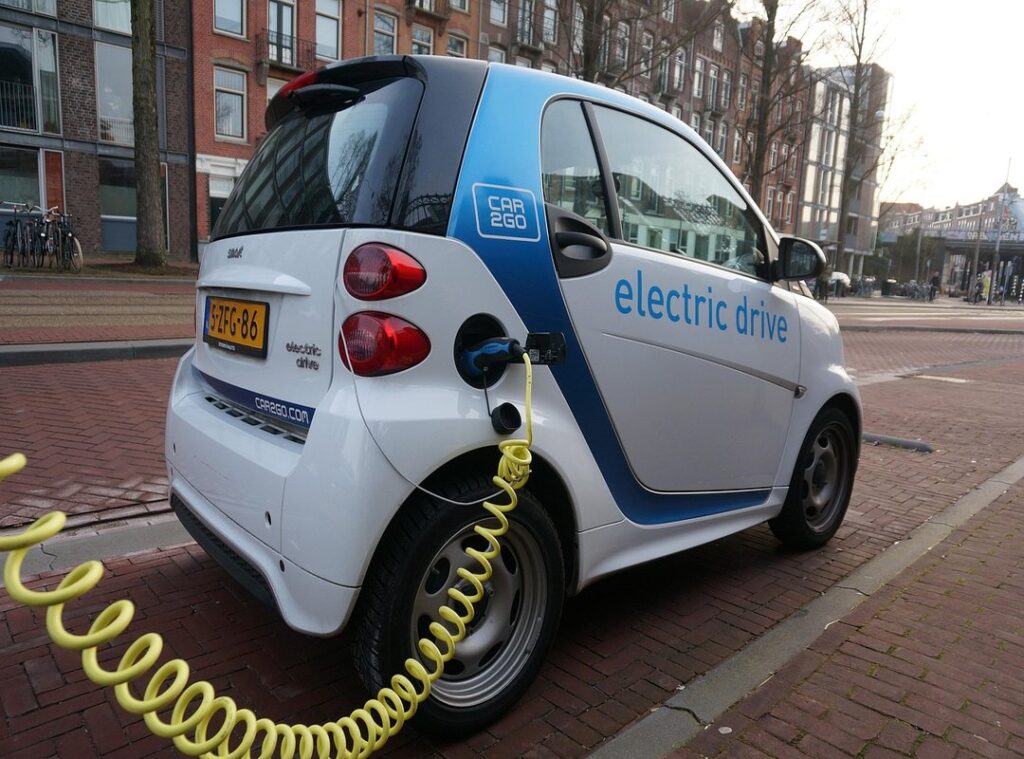
Electric vehicle charging stations popping up everywhere? Yes, please. They make the “smart cities future” feel closer than we think.
Public spaces matter too. Green spaces aren’t just pretty (they’re) important. Ever taken a walk through a well-designed park and felt your stress melt away?
That’s no accident. Cities are finally catching on. They’re crafting parks and nature corridors that promote mental well-being and active lifestyles.
And don’t get me started on digital public services. (Okay, maybe do.) From online portals for permits to platforms that let you shout at city hall without leaving your couch, it’s all about making life easier. Safety is another biggie. Smart surveillance and rapid emergency protocols are game changers.
Privacy matters, though, so let’s not forget that. We want security, not a surveillance state.
Urban Innovation: Challenges and Paths Forward
Urban development isn’t just a buzzword. It’s a complex puzzle we’re trying to solve. Let’s face it: data privacy and cybersecurity are major headaches.
How can we move forward when people fear their data getting exploited?
Anyone else worried about funding? Big urban projects need cash. Lots of it.
But the digital divide is still a thing. How do we bring everyone along for the ride? Public engagement isn’t just a checkbox on a form.
Imagine cities as hyper-connected hubs. Autonomous systems are making logistics and transport way simpler, but it’s not perfect yet. Also, using advanced materials in construction is intriguing, right?
It’s like sci-fi becoming reality. Pro tip: pilot projects are your best friend. They let you test before you leap.
Collaborative governance is non-negotiable. We need public-private partnerships to get new ideas off the ground. Citizen education is also key.
People need to understand what’s happening around them to truly engage.
Adaptation is everything. In the smart cities future, only the nimble survive. Want to explore more new solutions?
Check out our new wearable tech to see how tech can transform urban living.
Embracing the Future of Urban Life
I’ve laid out why cities must adapt to thrive. The demand for sustainability and efficiency is real. We can’t ignore it.
The tech-driven, human-centric solutions discussed here are effective. They tackle the challenges head-on. You can be part of this change.
Explore technologies that boost your community. Engage in urban planning discussions. Your voice matters.
For deeper takeaways, check out Jexphacks.com to stay ahead in the smart cities future. Don’t wait for change to happen (be) the catalyst. Your city deserves it.
Let’s build better, tech-forward communities together. What are you waiting for?
 Orynthara Gleam is the visionary founder and driving force behind Jexphacks.com, a platform born out of a profound passion for technology and digital innovation. With a keen eye for emerging trends and a dedication to demystifying complex concepts, Orynthara established the site as an accessible, forward-thinking resource for tech enthusiasts and curious minds alike. Guided by a mission to inspire and educate, they continue to curate insightful content that empowers readers to navigate, understand, and master the ever-evolving digital landscape.