
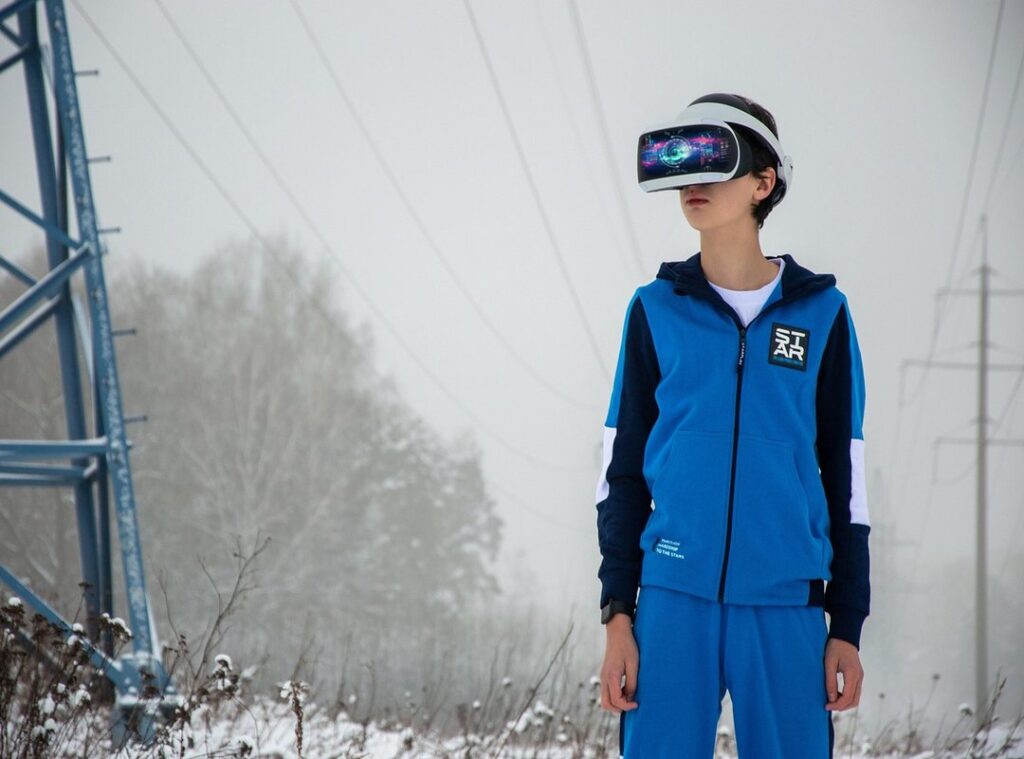
Are you feeling lost in the whirlwind of technology? I get it. The rapid pace of change often makes it hard to see what really matters.
This article breaks down the maze of immersive technology advancements. I want to demystify concepts like virtual reality, augmented reality, and mixed reality. These aren’t just buzzwords.
They’re reshaping industries and how we interact with the world.
You should trust this content because I focus on clarity and relevance. I cut through the hype to give you practical examples and clear definitions. I aim for straightforward takeaways that help you understand how these technologies are evolving.
By the time you finish reading, you’ll have a solid grasp of the virtual reality frontiers and their real-world applications. You’ll see how these innovations impact everything from entertainment to education. Let’s dive in and explore what’s happening in this exciting tech space.
Immersive Tech Unpacked: The Reality Shift
Immersive technology isn’t just a buzzword. It’s about bending reality with digital tools. It’s not science fiction anymore.
Virtual Reality (VR), Augmented Reality (AR), and Mixed Reality (MR) each have their own flavor. But what do they really mean for us?
VR completely transports you. Think of putting on a headset and suddenly standing on Mars (Neil Armstrong, eat your heart out). AR, though, layers digital info over your real world.
Picture playing Pokémon GO and seeing Pikachu on your lawn. Then there’s MR, which blends both, letting digital and physical worlds interact seamlessly.
It’s wild to think about how far these technologies have come. We’ve moved past the clunky, headache-inducing prototypes to sleek, engaging experiences. The hardware’s evolving fast, with headsets and sensors that track your every move.
The software, too, has become sophisticated, rendering lifelike graphics that pull you in. But it’s not just about the tech. The content must be compelling.
That’s the drive behind this virtual reality frontiers adventure we’re witnessing.
Confused about all these realities? You’re not alone. Many mix them up, and it’s easy.
But by understanding their unique aspects, we can appreciate how they’re reshaping our world in incredible ways.
Virtual Reality Frontiers: Breaking Boundaries
Virtual reality has come a long way since the clunky headsets of the past. When I got my first VR headset, it felt like strapping a small TV to my face. But now?
We’ve got lightweight, more comfortable units that make you forget you’re even wearing them. It’s not just about comfort, though. The resolution has skyrocketed.
You can see every tiny detail in a virtual world, and the wider fields of view make it all feel so real.
Standalone VR units are a big deal. No more tangled wires or needing a beastly computer to run them. Just slip on the headset and dive in.
And the software? It’s catching up fast. Inside-out tracking means you don’t need external sensors.
Plus, haptic feedback has gotten so good, you can almost feel the virtual surfaces. Remember when VR was all about gaming? Now it’s used for medical simulations and even virtual tourism.
Motion sickness was a big issue, but advancements are tackling that head-on. The setups are simpler and costs have dropped. VR is finally more accessible.
Ever heard of “presence”? It’s that feeling of being somewhere else. With these new advancements, that sense of presence is deeper than ever.
It’s like stepping into another world. Curious about where tech is headed next? Check out the Quantum Computing Next Leap to see where we’re going.
The Expanding World of Augmented Reality
Augmented Reality (AR) is no longer just a sci-fi fantasy. It’s morphing into something we use daily. Have you seen the smart glasses popping up lately?
They’re light years ahead of those clunky prototypes from years ago. Mobile devices are packing solid AR tools too. It’s right there in your hand, blending the digital with the real.
But hardware alone isn’t the hero of this story. Software like Simultaneous Localization and Mapping (SLAM) is changing the game. You get precise spatial understanding, allowing objects to feel like they belong.
Ever tried a virtual try-on app? Retail is getting a major upgrade. It’s not just for fun; it’s practical.
Education’s jumping in on AR too. Imagine learning history by walking through ancient ruins (okay, virtual ones, but still). For industrial maintenance, AR overlays digital instructions directly onto machinery.
I mean, does it get cooler than that? Even navigating through crowded streets can turn into an interactive experience.
A lot of folks think AR is just a phone trick. Trust me, it’s far from it. It’s shaping our professional and personal lives in unexpected ways.
So where do virtual reality frontiers fit into all this? They’re the next step. Unlike virtual reality, which replaces your environment, AR enriches it.
The digital and physical mesh together, creating something greater. Curious yet? Dive into it and see for yourself.
The Promise of Mixed Reality: Blending Worlds
Mixed Reality (MR) isn’t just another tech buzzword. It’s a game-changer that blends the physical and digital worlds into something new. Imagine interacting with virtual objects as if they were right in front of you.
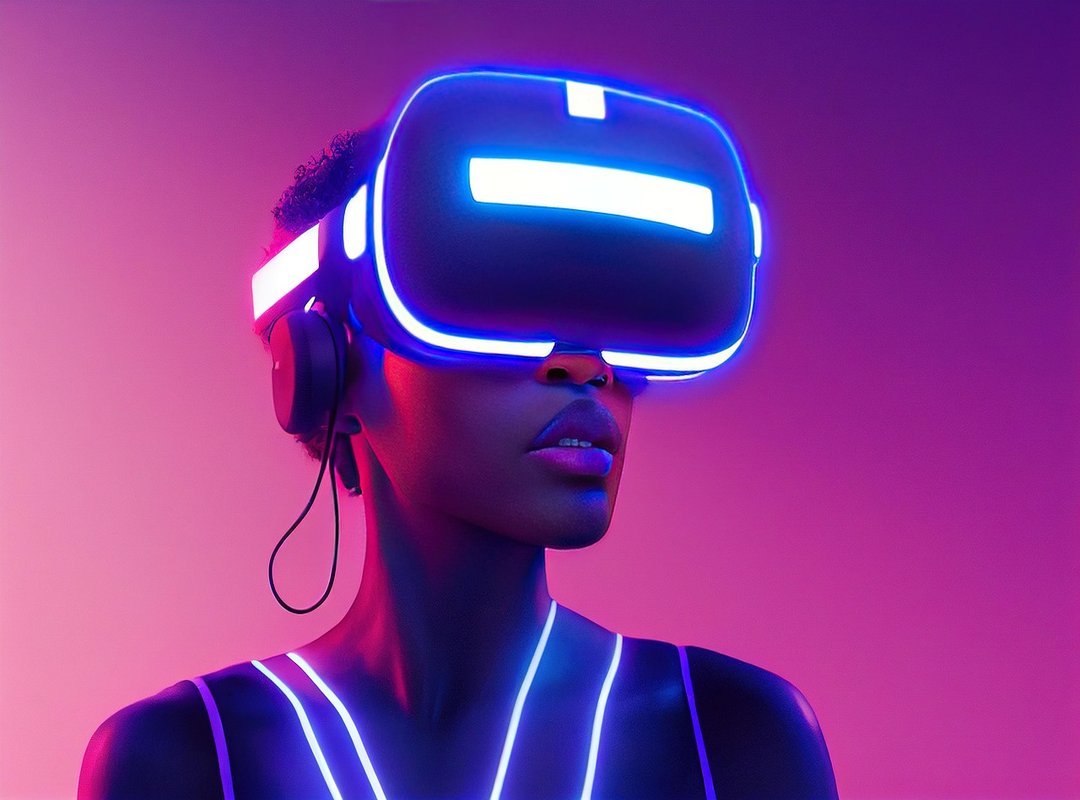
Sounds like science fiction, right? It’s not. Thanks to advanced passthrough cameras and sophisticated spatial mapping, MR makes this possible.
It even uses object occlusion to create believable digital-physical interactions.
Think about remote assistance for complex tasks or advanced training simulations. These aren’t just ideas; they’re happening now. They integrate real-world tools and transform productivity.
Now, let’s talk about what this means. MR isn’t confined to future dreams. It’s here, making waves in collaborative design and engineering.
Many people think MR is just a futuristic concept. It’s not. Current implementations are already delivering tangible benefits.
For example, MR enhances productivity by making digital content an interactive part of your physical space. It’s this integration that boosts collaboration, allowing teams to work smarter.
Curious about future AI in everyday life? MR is part of that frontier, a key component of virtual reality frontiers. It’s about making tech work for us, not the other way around.
So, what does this mean for you? It means embracing a future where digital and physical coexist seamlessly.
Virtual Reality Frontiers: Shaping Tomorrow
Immersive technology is reshaping industries. It’s not just a gimmick. In healthcare, VR is changing patient care, allowing for virtual surgeries and training.
In entertainment, it offers experiences that make you question reality. Education? It’s now an interactive journey, not just a lecture.
But what about manufacturing and remote work? They’re getting a serious upgrade too.
But isn’t that true for every tech leap?
Now, let’s talk about the real game-changer: the convergence of AI, 5G, and IoT with immersive tech. It’s like giving a superpower to these experiences. Sure, there are challenges like data privacy and accessibility.
The future? It’s bright. We’re heading towards a world where immersive technology becomes as common as smartphones.
Just imagine the possibilities!
Embrace the Future of Tech
Your search for clarity in immersive technology ends here. I’ve laid out the advancements in VR, AR, and MR to help you keep pace with these complex shifts. These takeaways matter.
They provide a solid understanding of the virtual reality frontiers shaping our future.
Now what? Dive deeper with Jexphacks.com. Explore our ‘Insight Vault’ for more information and gadget reviews that will boost your tech knowledge.
Don’t just read; engage actively with these technologies. Equip yourself to make informed decisions in this rapidly changing world. Your future in tech starts now.
 Sylrith Marrowlance serves as a key creative and technical voice at Jexphacks.com, dedicated to uncovering the practical side of new tech and digital trends. With a talent for identifying the tools and shifts that matter most to tech enthusiasts, Sylrith crafts content that bridges the gap between raw innovation and everyday application. Their sharp perspective and passion for discovery help maintain the platform's reputation as a go-to resource for curious minds.