
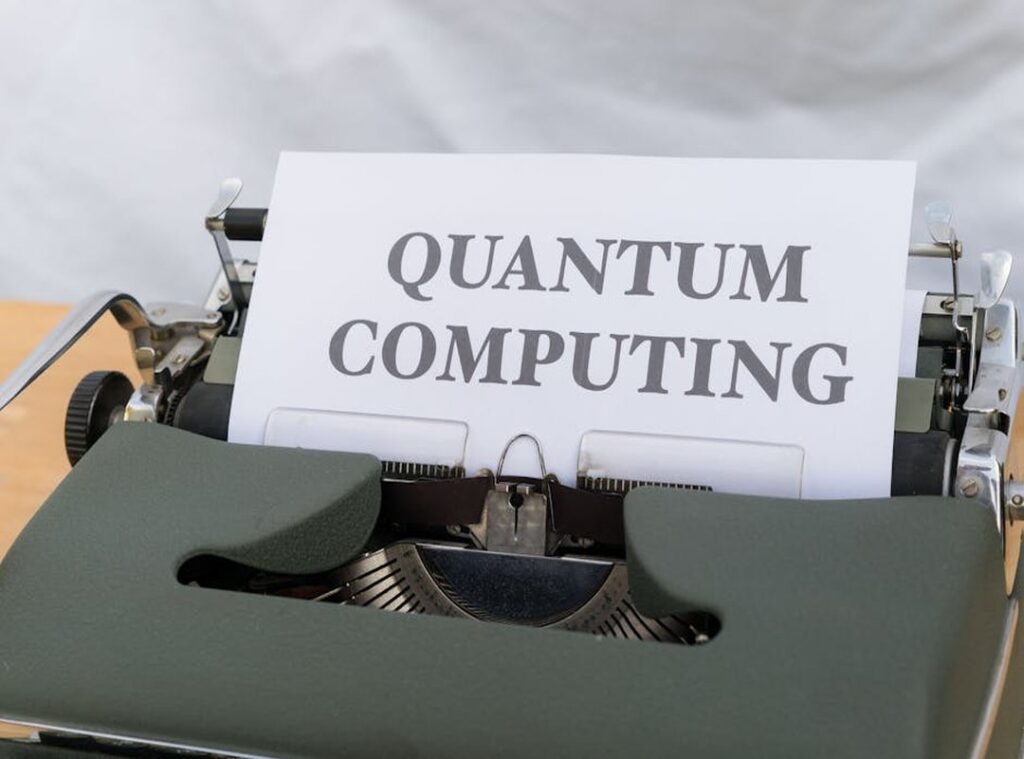
I get it. Quantum computing sounds like a sci-fi dream that’s way over our heads. But it’s not just hype; it’s a real thing that could change everything.
In this article, I’m cutting through the noise. I want to give you a clear view of the quantum computing future (the) potential, the challenges, and how soon we might see it affect our lives.
I’ve been tracking tech trends for years, so you can trust that what I’m sharing is grounded in research and reality. You won’t find theoretical jargon here. Instead, I’m focused on practical takeaways to help you understand what’s next in this field.
You’re looking for more than just buzzwords; you want something you can grasp. This article aims to provide just that (an) accessible guide to the progression and impact of quantum computing. Let’s dive in and make sense of it all together.
Quantum Computing: A Glimpse into the Future
Quantum computing. You’ve probably heard the term tossed around like some sci-fi buzzword. But what is it really?
At its core, quantum computing uses qubits. Unlike classical bits that are either 0 or 1, qubits can be both (thanks to superposition). This means they can process a ton more information at once.
Now, here’s where it gets wild. There’s this thing called entanglement. It lets qubits be connected in such a way that the state of one instantly affects the state of another, no matter the distance.
Spooky, right? This is what makes quantum computing wildly different from classical computing.
Why does this matter? Well, quantum computers can tackle problems that are just too complex for today’s supercomputers. Think drug discovery or cracking encryption codes.
It’s not just about speed; it’s about solving the unsolvable.
Right now, quantum tech is still in its infancy (we’re talking small prototypes). But the potential is mind-blowing. Imagine unlocking unprecedented computational power.
That’s the promise of the quantum computing future. It’s not just a tech nerd’s dream. It’s a glimpse into what could reshape industries.
Curious how other tech is transforming our world? Check out this guide for more takeaways.
Quantum’s Next Leap: Innovations at the Edge
Quantum computing is on the brink of a revolution. Why? Because we’re finally cracking the code on qubit stability.
Researchers are perfecting ways to keep these slippery little bits in line. And let’s not forget, error correction is evolving. It’s like teaching a toddler to walk without falling every two seconds (if you’ve ever seen that, you know it’s magic).
Scaling up qubit numbers is the next big thing. We need more qubits to handle the heavy lifting.
But it’s not just about hardware. Quantum software is making waves, too. New algorithms like Shor’s and Grover’s are redefining problem-solving.
Imagine solving complex equations faster than you can say “quantum computing future.” It’s wild. Hybrid systems are also stepping into the spotlight. By combining quantum and classical computing, we’re tackling problems that seemed impossible yesterday.
Real-world examples? Sure. Think drug discovery and cryptography.
These innovations are moving out of the lab and into practical applications. It’s like watching science fiction become reality. We’re not just dreaming about the quantum computing future anymore.
We’re building it. And it’s going to change everything.
Quantum Computing’s Future: Industry Game-Changers
Quantum computing isn’t just a buzzword. It’s set to revolutionize entire industries. Take healthcare and medicine.
Imagine speeding up drug discovery processes that currently take years. With quantum power, we could simulate complex molecules faster, leading to breakthroughs in personalized medicine. Who wouldn’t want that?
Then there’s materials science. Designing new materials with specific properties like superconductors or fast batteries becomes feasible. These aren’t just theoretical perks.
They’re practical, life-changing advancements.
In financial services, quantum computing could improve portfolios and detect fraud with unprecedented speed and accuracy. Imagine safeguarding investments while maximizing returns. It’s not just about money; it’s about financial security.
That’s a future we can all get behind.
Artificial intelligence also stands to gain. Quantum computing could turbocharge machine learning algorithms. More solid AI means better pattern recognition and data analysis. It’s like having a supercharged brain working for you. Curious about how this could shape our daily tech interactions? Check out how future AI and everyday life intertwine.
But let’s not forget cybersecurity. Quantum computing presents both a threat and a solution. Current encryption methods could crumble, but quantum-resistant cryptography offers a safeguard.
It’s like building a fortress in the digital world.
This isn’t science fiction. The “quantum computing future” is here, and it’s reshaping industries as we speak. Are you ready for the change?
The benefits are tangible, and the time to embrace them is now.
Overcoming Hurdles: Challenges Shaping Quantum’s Path
Quantum computing is a beast. Maintaining qubit coherence is like trying to keep a soap bubble intact while juggling. (Good luck with that.) Errors creep in, causing chaos. The environment has to be colder than space.

Seriously, who can afford that?
Speaking of cost, the economic challenges are staggering. Research and development? Not cheap.
Building quantum infrastructure? Even less so. It’s like we’re funding the next blockbuster sci-fi movie (but) with real-world stakes.
Then there’s the talent gap. We need more skilled quantum physicists, engineers, and programmers. It’s like trying to crew the Starship Enterprise with a handful of cadets.
Not ideal, right?
Ethics and societal implications are looming too. Responsible development is non-negotiable. We need to make sure equitable access and brace for impacts on jobs and privacy.
Yet, researchers worldwide are tackling these hurdles. You can dive deeper into this conversation by checking out the future of quantum computing quantum experts panel. The quantum computing future is being shaped as we speak.
It’s like handing out lightsabers and hoping everyone uses them wisely.
And yes, it’s a wild ride. Buckle up!
Quantum Computing: The Future is Closer Than You Think
When will we see real-world impact from quantum computing? The truth is, it’s complicated. Near-term, expect breakthroughs in niche areas.
Quantum advantage isn’t a buzzword anymore. It’s happening, but only for specific problems. Think logistics and cryptography, not general computing.
In the mid-term (5-15 years), we’ll see fault-tolerant systems tackling complex challenges in specialized industries. Exciting, right? Hold on.
The long-term (15+ years) vision of quantum computers in every home remains speculative. Who knows if we’ll get there?
Don’t expect quantum computing to replace classical systems anytime soon. Sure, it’s a game-changer, but for niche uses. It’s not the magic bullet to solve all our computational woes.
Remember, the quantum computing future is about specialization, not sweeping changes. We’re on this journey, and while progress is real, it won’t upend our tech space overnight. But hey, isn’t that the fun of it?
Watching where it leads?
Your Path to Quantum Clarity
I’ve laid out a clear roadmap for understanding the quantum computing future. Many people feel lost in the hype and confusion around this technology. That’s not where you should be.
The takeaways I provided (realistic) timelines, practical applications, and challenges. Are key. They help you grasp what’s ahead.
Now, don’t stop here. Dive deeper into emerging technologies and stay updated on quantum developments. Think about how this tech could impact your field.
The future is coming fast. Stay informed and adapt. Your next step?
Start exploring today. It’s time to get ahead.
 Sylrith Marrowlance serves as a key creative and technical voice at Jexphacks.com, dedicated to uncovering the practical side of new tech and digital trends. With a talent for identifying the tools and shifts that matter most to tech enthusiasts, Sylrith crafts content that bridges the gap between raw innovation and everyday application. Their sharp perspective and passion for discovery help maintain the platform's reputation as a go-to resource for curious minds.