
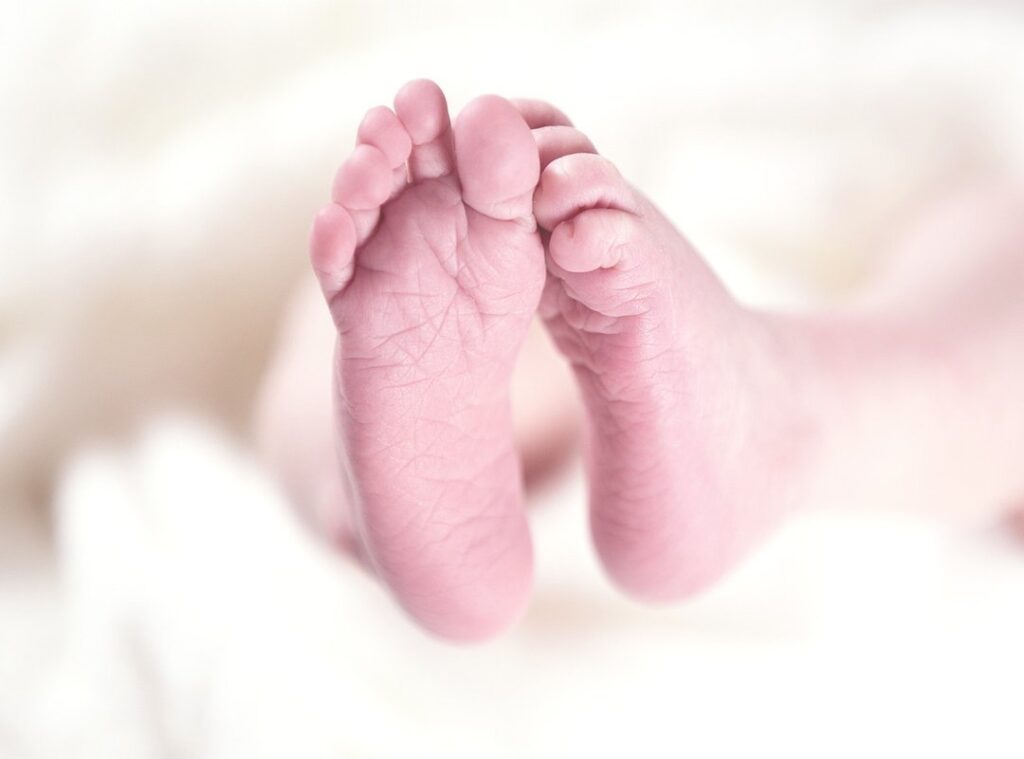
If you’re searching for specific stock imagery like fotolia little girl feet, you need to be aware of the professional and ethical standards involved. Creating or using stock photos of minors isn’t just about getting a good shot. It involves significant legal and ethical responsibilities for both photographers and designers.
This article aims to be your definitive guide on the legal requirements, ethical best practices, and proper sourcing of such images on modern stock photo platforms.
You might know that Fotolia has transitioned into larger libraries like Adobe Stock. With this change, standards have evolved too.
I’ll provide clear, actionable information to ensure all parties are protected and the child’s well-being is the top priority.
The Legal Framework: Why a Model Release is Non-Negotiable
A minor model release is a legal document signed by a parent or guardian. It grants permission to photograph their child and use the images for commercial purposes. This document is absolutely mandatory for any commercial use.
It protects the photographer, the buyer, and the platform from legal action.
Commercial use means things like advertising or product packaging. Editorial use, on the other hand, is for news articles or educational content. The distinction is critical because photos of people, especially children, have different rules depending on how they’re used.
Let’s say you take a photo of a little girl’s feet (fotolia little girl feet). Without a proper model release, that image is legally unusable for most business purposes.
Key information in a valid model release includes names, signatures, date, and witness details. These elements ensure the document holds up in court if needed.
Without this, you risk facing serious legal issues. Trust me, it’s not worth the headache.
Ethical Guidelines for Photographers: Capturing Appropriate and Authentic Images
The child’s safety, comfort, and dignity are paramount throughout the entire photoshoot. No exceptions.
Photographers should focus on capturing natural, story-driven moments that are universally positive and innocent. Think of a toddler’s first steps, playing in sand, or splashing in puddles. These are the images that resonate with authenticity and joy.
DO: Focus on themes of family, play, and discovery. DON’T: Create any imagery that is suggestive, isolating, or could be misinterpreted out of context.
The environment matters. Ensure the setting is age-appropriate and the parent/guardian is present and actively involved at all times. This not only ensures the child’s safety but also adds to the genuine, warm atmosphere of the photos.
Technical skills like lighting and composition can elevate your work. Use them to create artistic, high-quality images that are tasteful and respectful. A well-lit, well-composed shot of fotolia little girl feet can be both beautiful and appropriate.
Major stock platforms have strict review processes. They will reject any content deemed inappropriate or exploitative. It’s not just about following rules; it’s about creating a body of work you can be proud of.
A Buyer’s Guide: How to Source and Use Children’s Photos Responsibly

When you’re a designer or marketer, sourcing the right images is crucial. Especially when it comes with children’s photos. You need to make sure they are properly licensed and have a model release. fotolia little girl feet
On platforms like Adobe Stock, always check the license details and confirm the model release is in place.
fotolia little girl feet
But licensing is just the first step. You also need to consider contextual integrity. This means using the image in a way that aligns with its original, innocent intent.
For example, a photo of a child playing in a park is perfect for marketing children’s clothing brands, illustrating parenting blogs, or creating materials for pediatric healthcare services.
Avoid using images in any context that could be defamatory, embarrassing, or place the child in a false light. Even if a model release is on file, it’s not a free pass to use the image however you want.
Develop an internal ethics checklist for any campaign featuring images of minors. This ensures responsible use and helps maintain your brand’s integrity.
Ignoring these ethical guidelines can lead to severe brand damage and legal trouble. It’s not worth the risk. Always prioritize the well-being and dignity of the children in the images you use.
From Fotolia to Modern Platforms: Finding Safe Imagery Today
Fotolia’s library was integrated into Adobe Stock, which now maintains one of the largest collections of royalty-free images.
When searching for safe and appropriate images, use specific, wholesome keywords. For example, toddler learning to walk, child’s feet on beach, or baby shoes can yield better, safer results.
- Use search filters to find images with necessary model releases.
- Look at a photographer’s entire portfolio to gauge their professionalism and the overall tone of their work.
- Read the specific license agreement for each image to fully understand the permitted uses.
Using terms like fotolia little girl feet can help you find the right kind of imagery. Just make sure to check the model releases and licensing details.
Prioritizing Protection in Stock Photography
When it comes to stock photography involving children, ethical and legal diligence is not optional. This ensures that the images are both legally compliant and ethically sound. fotolia little girl feet must be captured and used with the utmost care.
Securing a valid model release is the first pillar of responsible practice. It ensures that there is explicit permission for the use of the child’s image. Capturing images in a safe and positive context is equally important.
This means ensuring the environment and the way the child is portrayed are appropriate and respectful. Finally, using the final assets in a respectful manner is crucial. This includes being mindful of how and where the images are published.
These principles protect the child subject, the photographer, and the end-user. They create a framework of trust and integrity within the industry.
All industry professionals must uphold the highest standards of safety and integrity. By doing so, we can ensure a responsible and ethical creative marketplace.
 As a core contributor to the Jexphacks.com team, Zayrithia Kinlark brings a sharp analytical mind and a deep curiosity for the mechanics of modern technology. Specializing in breaking down complex digital advancements, Zayrithia excels at turning intricate tech concepts into highly engaging, practical insights for the platform's readers. Their dedication to exploring the frontiers of tech ensures that the community always stays a step ahead in an ever-shifting digital world.