

I hate coding advice that sounds like it was written by a robot who’s never shipped real software.
You know the kind.
This is not that.
I’ve spent years writing code people actually use. Code that breaks at 3 a.m. Code that someone else has to fix. it that works.
And code that doesn’t.
So if you’re tired of theory that doesn’t stick, you’re here for Otvpcomputers Coding Advice From Onthisveryspot.
Why trust this? Because it’s built on what failed. What slowed us down.
What made us curse the keyboard.
You’ll get straight talk on naming variables, debugging without guessing, and writing code that doesn’t need a translator.
No fluff. No jargon. No “just refactor it.”
Just things that move the needle. Today.
What’s your biggest headache right now? The one you keep solving the same wrong way?
By the end, you’ll have a clear path to write cleaner code, spot problems faster, and stop dreading your own pull requests.
Set Up Your Tools Before You Write Code
I wasted three days debugging a missing semicolon.
Turns out my editor wasn’t highlighting syntax errors.
That’s why I recommend Otvpcomputers Coding Advice From Onthisveryspot (it) saved me from that mess early on.
Start with VS Code. It’s free. It works.
It doesn’t try to be everything at once.
Sublime Text is fast. Atom is dead. Don’t waste time picking the “best” one (pick) one and move.
Install Prettier and ESLint right away.
They auto-format your code and catch dumb mistakes before you run it.
You’ll thank yourself later.
Make a folder called projects.
Inside it, make one folder per project. No nested folders named final_v2_really_final.
Use the command line to create folders and move files.
Type mkdir my-app instead of clicking through Finder or Explorer.
I ran rm -rf node_modules once without checking the path. Deleted my entire desktop. (Yes, really.)
Now I triple-check every rm command.
If your environment fights you, you’ll fight your code.
Learn ls, cd, pwd, and code ..
That’s enough to get started.
Fix the tools first.
Then write.
Readable Code Is Kind Code
I write code for people first. Including me six months from now.
You ever stare at your own function and wonder what the hell it does? Yeah. That’s why readability matters.
Use names like calculate_total_price instead of calc_tp. I mean, come on. Your future self will hug you.
Consistent formatting isn’t optional. Indent properly. Space things out.
Run Prettier or Black. Don’t argue with it. Just run it.
Big functions scare people. Break them down. One job per function.
If it needs a comment to explain what it does, it’s probably doing too much.
Bad code:
def f(x, y): return x * y + 10 if y > 5 else x * y
Good code:
def apply_discounted_total(base_price, quantity):

 discount_threshold = 5

 if quantity > discount_threshold:

 return base_price * quantity + 10

 return base_price * quantity
Comments should say why (not) what. “Add $10 fee for bulk orders” beats “adds 10”.
Otvpcomputers Coding Advice From Onthisveryspot says: if you wouldn’t explain it to a coworker over coffee, rewrite it.
You’ll thank yourself later.
I know I do.
Debugging Is Just Coding With Extra Steps
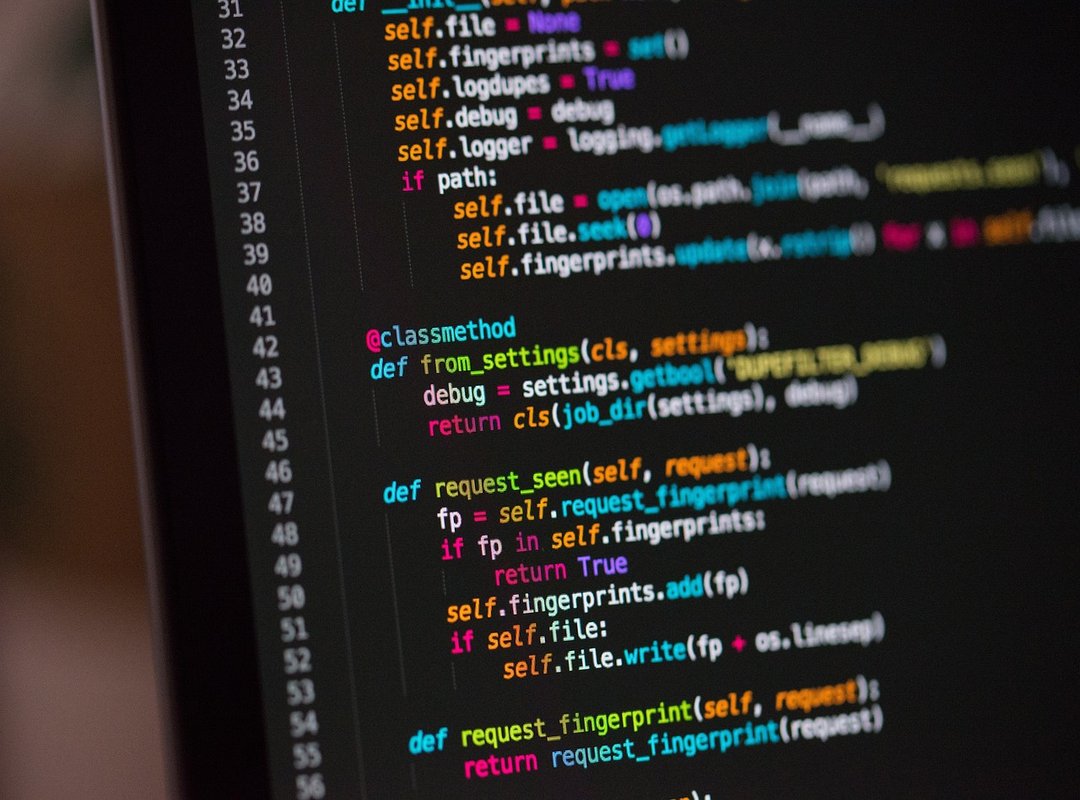
Debugging is not failure.
It’s what happens when code meets reality.
I read every error message. Not skim it. Read it.
The line number and the words matter. They tell you where to look first.
Print statements are my first tool. I drop them in like breadcrumbs. They show me what the code thinks is happening.
A real debugger beats print statements most days. I watch variables change as I step through each line. It’s like watching traffic instead of guessing why the light turned red.
When things go sideways, I comment out half the code. Then half again. That’s how I find the broken piece fast.
Stuck for 20 minutes? Walk away. Come back in 15.
You’ll spot it instantly. (Your brain works on bugs while you’re making coffee.)
Rubber duck debugging works. Say it out loud. To a duck.
Or your cat. Or the wall. Saying it forces you to slow down and notice the gap between what you wrote and what you meant.
If you hit errordomain otvpcomputers, don’t panic.
How to troubleshoot errordomain otvpcomputers walks you through it step by step.
Otvpcomputers Coding Advice From Onthisveryspot says: bugs aren’t enemies. They’re notes from your future self.
Learning Never Stops (And That’s Fine)
I used to think learning ended when I landed my first dev job.
I was wrong.
Coding changes fast. Languages shift. Tools get replaced.
If you stop learning, you fall behind. Fast.
You don’t need a degree or bootcamp certificate to stay sharp.
You need curiosity and consistency.
I join Slack groups where people argue about Rust borrow checkers at 2 a.m. (it’s weirdly comforting). I poke at open-source repos (even) if I just fix a typo in the README.
I read docs. Not all of them. Just the parts I need right now.
LeetCode? Sure. But I also build dumb things: a CLI that reminds me to drink water, a script that renames 300 files without breaking anything.
Those projects teach more than any tutorial.
Some say “just learn the system.”
I say no. Learn why it works. Know how memory allocation affects performance.
Understand time complexity before you improve. That foundation survives every trend.
Last year, I hit a wall with WebAssembly. Spent three nights reading Mozilla’s docs, then rewrote a module from scratch. It worked.
Not because I’m smart (but) because I kept going.
Otvpcomputers Coding Advice From Onthisveryspot helped me trust the grind. They don’t hype shortcuts. They show what real practice looks like.
Check out their take on steady progress at Otvpcomputers.
Your Code Is Waiting for You
I’ve been where you are. Staring at a blank editor. Wondering if you’re doing it right.
You don’t need more theory. You need one thing that works (today.)
You already know the real bottleneck isn’t syntax. It’s clarity. It’s knowing what to do next.
That’s why Otvpcomputers Coding Advice From Onthisveryspot isn’t about perfection. It’s about motion.
You read this because something’s stuck. Maybe your code breaks in weird places. Maybe you waste hours on setup instead of solving problems.
Maybe you feel like you’re running in place. I get it. I’ve rewritten the same config file six times.
So here’s what you do:
Pick one tip from the article. Just one. Not the flashiest one.
The one that scratches your current itch.
Try it in your current project. Before lunch. Before you check email again.
Don’t wait for “the right time.” There is no right time. There’s only now, and your next commit.
You’ll notice something shift. Not overnight. But by Friday?
You’ll remember how to debug without panicking. You’ll stop Googling the same error twice.
This isn’t about becoming a “better developer.” It’s about trusting yourself sooner.
About writing less code. And solving more problems.
Go open your editor. Pick your one thing. Do it.
Then tell me what happened.
 As a core contributor to the Jexphacks.com team, Zayrithia Kinlark brings a sharp analytical mind and a deep curiosity for the mechanics of modern technology. Specializing in breaking down complex digital advancements, Zayrithia excels at turning intricate tech concepts into highly engaging, practical insights for the platform's readers. Their dedication to exploring the frontiers of tech ensures that the community always stays a step ahead in an ever-shifting digital world.